How to read a home inspection report: the colors, new-home defects and what is left out
A report with dozens of findings does not mean the house is bad — and an item flagged red can be a very cheap fix. Here is how to read the report, what new houses usually get wrong and which inspections a general inspector does not do.
Why every faucet gets turned on
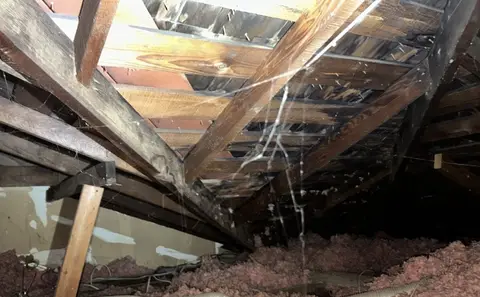
The worst house inspector Aguiar says he has inspected was a manufactured home in Anaheim, Orange County, whose main shower had a botched repair. With the house empty, everything was dry. But Aguiar runs every faucet, shower and toilet while he is in the crawl space under the floor — and found water pouring down about three feet from the main electrical panel.
The buyer would only have found that leak at the first shower, weeks after moving in. It also shows why a report has to be read carefully: not everything in it carries the same weight.
What the colors mean
Most modern reports sort findings by severity, usually in three colors. The standard varies by company, but the logic is generally this:
- Red: a significant defect or safety risk — calls for repair or evaluation by a specialist.
- Orange or yellow: needs repair or maintenance, with no immediate urgency.
- Blue or gray: information, an observation or routine maintenance.
Red does not mean expensive
Aguiar makes a point of explaining this. A common example: the gas outlet for the stove or dryer with no cap. If the appliance has not been installed yet, the line needs an inexpensive cap. It is still a red item because the risk is serious — a child can open the valve thinking it is water, and a spark is all it takes.
Small details that save lives
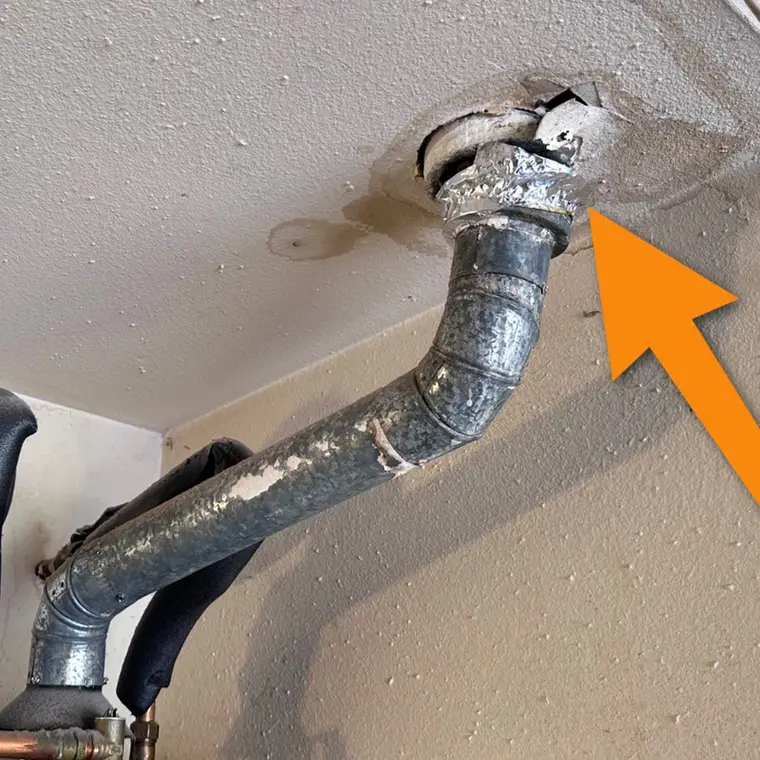
Another example is the gas water heater. The vent that carries combustion gases outside — including carbon monoxide, which is toxic and odorless — has to run upward from the unit; installation codes require a continuous rise. In one house inspected by another company, the vent ran flat, the problem was never written down, and that company ended up paying for the repair.
In California, the water heater must also be strapped to the wall with seismic straps, so it does not tip over in an earthquake and break the gas line.
New houses have defects too
Many people think inspection is only for old houses. Aguiar says the opposite: on brand-new construction he expects 10 to 15 findings. He has inspected a 1909 house in excellent condition and new houses with basic problems. The most common ones:
- Air conditioning ducts badly connected in the attic, leaking air — the system is designed by an engineer, but installed by a subcontracted crew.
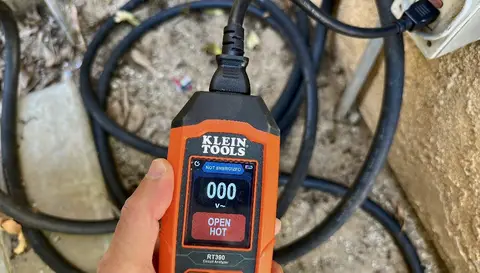
- Mislabeled breakers in the electrical panel.
The inspector does not price repairs — and should not scare you
The inspector should not say how much each repair costs: a number pulled out of the air frightens the buyer and can be wrong. Estimates come from a licensed contractor, and the negotiation stays with the agents. And the inspector cannot leave anything out, not even to “help” the sale.
The balance, for Aguiar, is explaining the real severity. Many findings are things an owner can fix on a Saturday morning; others, like replacing all the plumbing, are expensive and change the negotiation.
What the general inspection leaves out
A home inspection is visual and limited to accessible areas. Items a general inspector is not required to evaluate include:
- the yard irrigation system (sprinklers);
- the water softener or whole-house filter;
- antennas;
- plumbing inside walls and underground, and the foundation beneath a concrete slab, which cannot be seen.
Specialized inspections
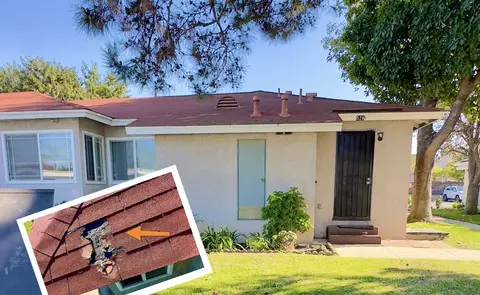
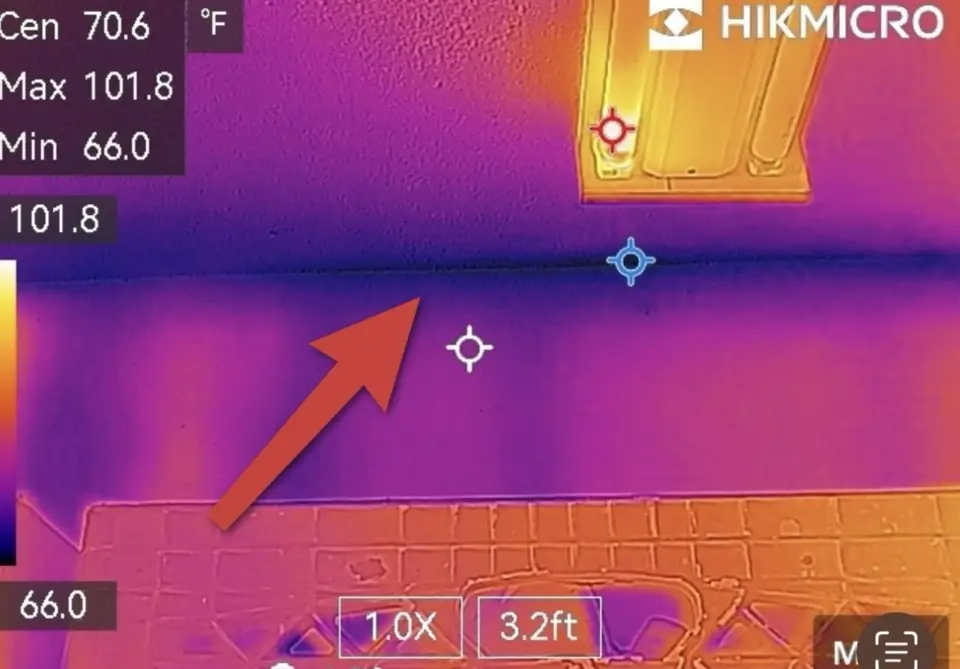
Some evaluations are hired separately: termites (by pest control companies), a camera down the sewer line, the roof by a roofer, the pool, the chimney, mold, and a structural engineer when there are signs of a foundation problem. A good report tells you when it is worth calling each specialist.
How to use the report
- Read the red items first and separate cheap safety fixes from big repairs.
- Get estimates on the important items while you are still inside the contingency window.
- Negotiate with data: a repair request, a credit at closing or a price reduction.
- Keep the report. If you buy, it becomes your maintenance plan; if you walk away, it helps you compare homes.
This article is for general information. Report formats and color standards vary between inspection companies.